
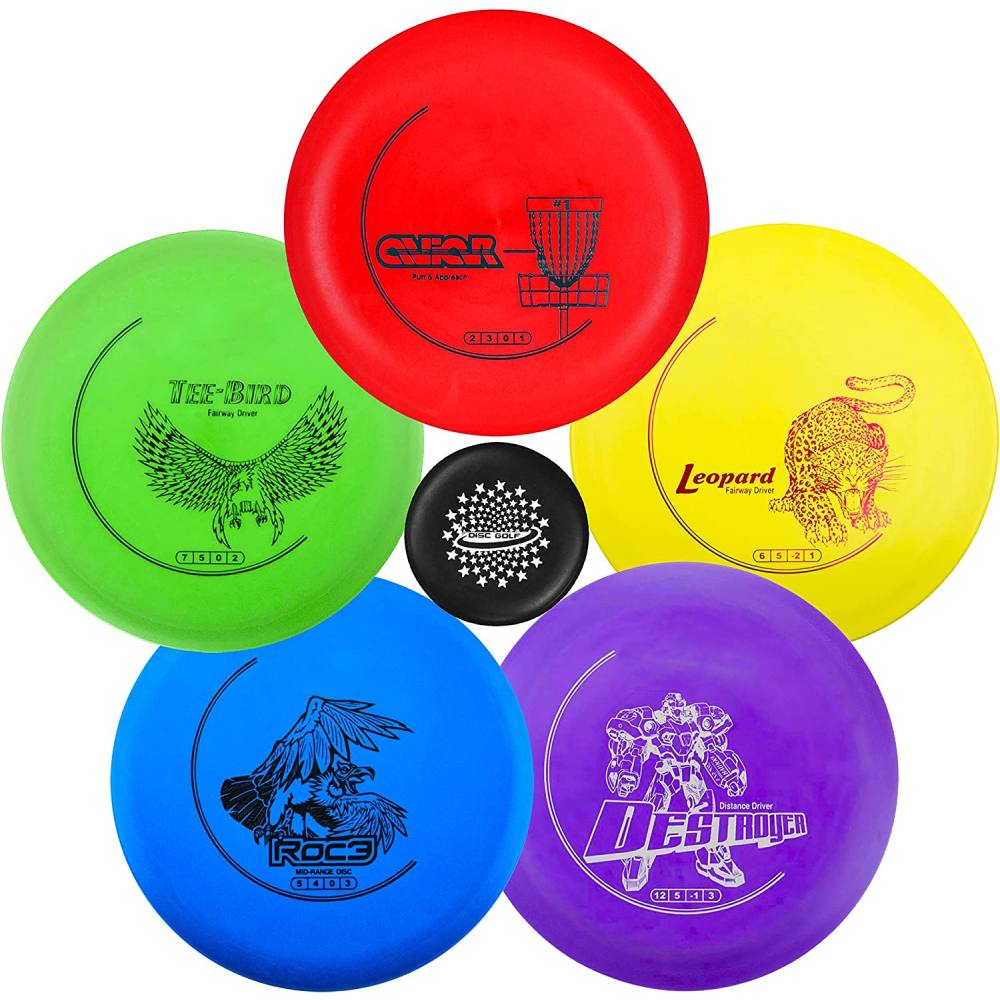
Shop online
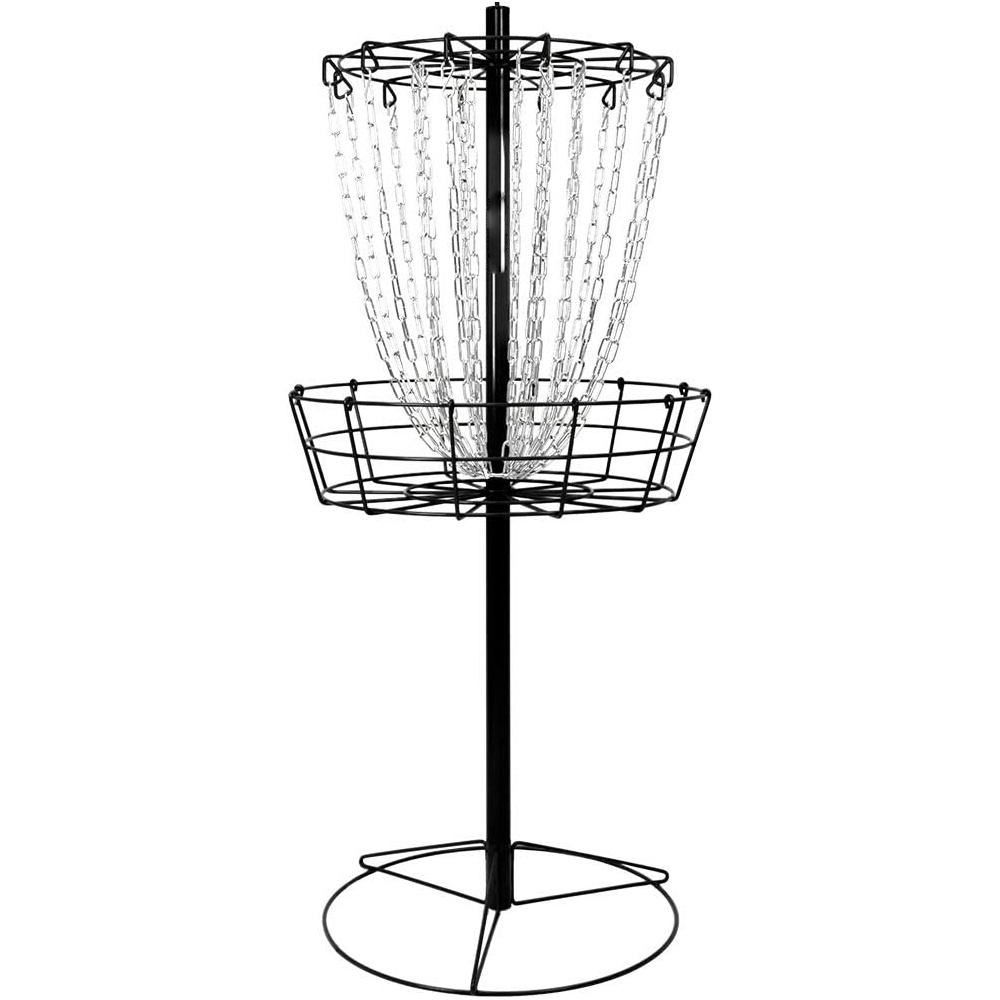
Disc golf sets, baskets and frisbee golf
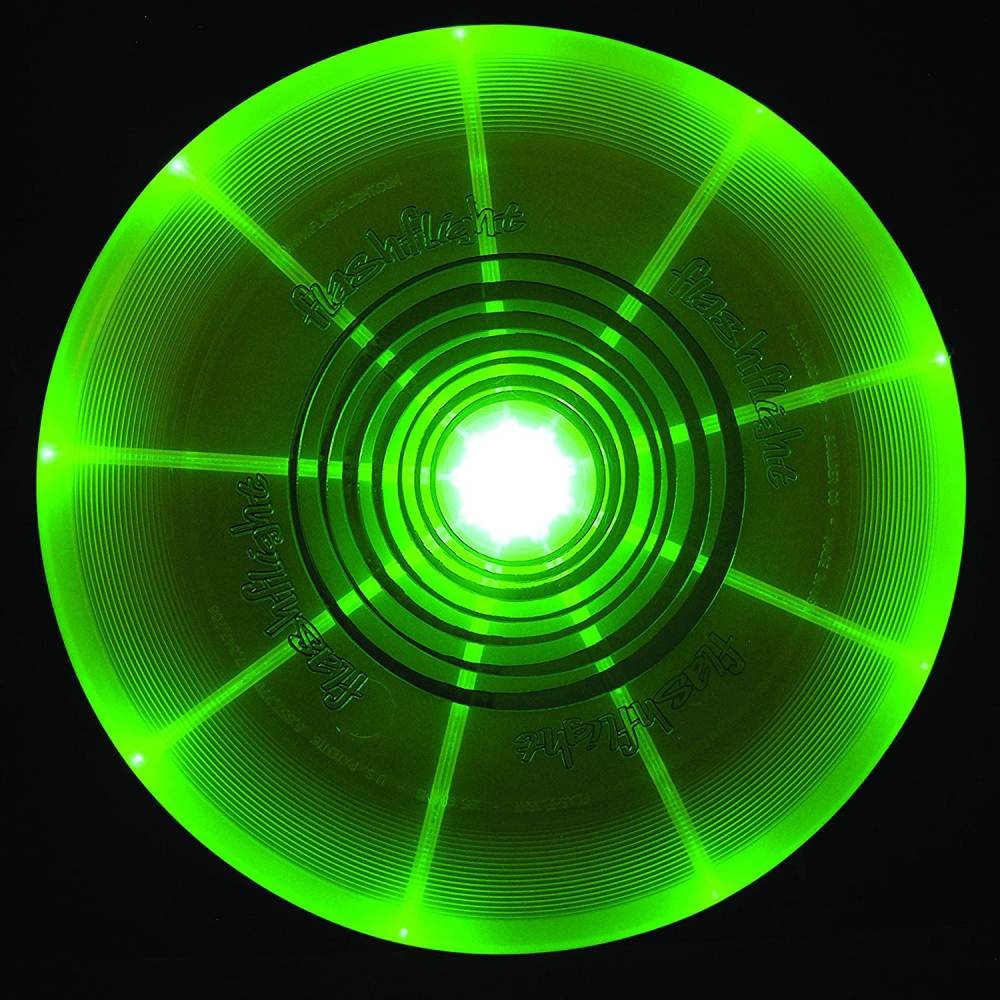
Disc golf sets, portable chain baskets and frisbee golf gear for the park, the backyard and the course. Free delivery across Singapore on orders over $100.
Frequently asked questions
How can the right Golf Accessorie choice boost confidence?
The right Golf Accessorie can sharpen preparation and reduce distractions during play. A secure glove, fresh tees and a clean towel support comfort and routine, while handy course tools keep everything flowing. Confidence often grows when every small detail feels under control.
Why do golfers keep returning to Golf Shops online?
Golfers return to trusted Golf Shops online for convenience, product variety and easy access to top golfing essentials. When a store offers strong selection across clubs, balls and accessories, it becomes a go-to source for replacing worn items and improving the overall setup.
What benefits come from upgrading Golf Equipment?
Upgrading Golf Equipment can improve forgiveness, feel and all-round playability. Newer clubs often use advanced engineering to help golfers maintain speed and stability, even on imperfect strikes. A thoughtful update can refresh confidence and unlock better performance across the bag.
Which Golf Accessorie items are best for keeping clubs clean?
The best Golf Accessorie products for club care include quality towels, brushes and bag organisers. Clean grooves can support more reliable contact and spin, especially in the short game. Regular maintenance keeps equipment performing well and helps golfers stay prepared throughout the round.
How do Golf Shops support players at every level?
Good Golf Shops cater to beginners, improving golfers and experienced players with gear for practice, play and course management. From essential accessories to advanced club options, the right store helps every golfer find products that support progress and more enjoyable rounds.
What Golf Equipment is most important for new golfers?
For new golfers, the most important Golf Equipment includes a dependable putter, versatile irons, a forgiving wood and quality golf balls. A balanced beginner setup helps players learn key shots more easily and build confidence across the course without overcomplicating the game.
How do Golf Accessorie products improve convenience on the course?
Practical Golf Accessorie items streamline every round. Towels keep clubs clean, markers support putting etiquette and spare tees reduce disruption after broken shots. These simple additions keep golfers prepared, organised and focused, which can make the round feel smoother from start to finish.
Why are Golf Shops popular with keen golfers?
Keen golfers value Golf Shops because they bring specialist products together in one place, from clubs and balls to bag essentials and training aids. That focused range helps players stay current, explore better-performing options and build a more complete setup with less effort.
How can Golf Equipment support consistency?
Well-chosen Golf Equipment helps create repeatable results by improving feel, forgiveness and shot control. Consistency often comes from confidence, and confidence grows when clubs and balls perform predictably. Across a full round, dependable gear can make good swings more rewarding and mistakes less costly.
What are the most popular Golf Accessorie essentials for practice?
Popular Golf Accessorie products for practice include alignment aids, extra balls, towels and training tools that sharpen routine and feedback. These items help golfers repeat movements more effectively. Better practice habits often lead to stronger ball striking and lower scores over time.
What should experienced players expect from Golf Shops?
Experienced players expect Golf Shops to offer premium brands, broad category depth and accessories that support serious practice. A quality store should cover every area of the game, from driving to putting, so golfers can fine-tune their setup with confidence and convenience.
Why is Golf Equipment important for short game performance?
The right Golf Equipment is crucial around the green, where precision matters most. Wedges and putters influence spin, feel and distance control, while the golf ball also plays a big role. Strong short game tools can turn missed greens into valuable saves.
What Golf Accessorie items help in wet conditions?
Smart Golf Accessorie choices for wet weather include absorbent towels, reliable gloves and protective bag covers. These essentials help maintain grip and keep gear cleaner throughout the round. Better control in damp conditions can protect both performance and confidence when the weather turns.
How do Golf Shops make buying easier for golfers?
Well-organised Golf Shops group products by purpose, helping golfers quickly find clubs, balls, bags and practice aids. This saves time and reduces guesswork. A strong online range also makes it easier to compare options and discover gear that fits your playing goals.
What is included in a complete Golf Equipment setup?
A full Golf Equipment setup usually includes woods, irons, wedges, a putter, golf balls and a carry or cart bag. Many players also add training tools and maintenance items. A complete setup supports every stage of play, from the first drive to the final putt.
Which Golf Accessorie items should stay in every golf bag?
Every golfer benefits from core Golf Accessorie essentials such as tees , a glove , a towel , spare balls and a marker. Keeping these ready in your bag supports cleaner play, quicker routines and fewer disruptions when conditions or shots become demanding.
Why choose specialist Golf Shops for accessories and clubs?
Dedicated Golf Shops bring together performance-led clubs, trusted golf balls and practical extras in one focused space. That makes browsing simpler and comparison easier. For players who want convenience and confidence, specialist selection is often the smarter route.
How many clubs are allowed in Golf Equipment?
A standard set of Golf Equipment can include up to 14 clubs during play. That limit encourages smart club selection across driving, approach shots, recovery play and putting. Building a balanced bag helps golfers cover more situations with confidence and control.
What Golf Accessorie items help on the green?
Useful Golf Accessorie products for the green include ball markers , pitch-mark repair tools and a quality towel to keep equipment clean. These essentials support course care, smoother routines and better focus. Smart preparation on the green can save valuable strokes.
Can Golf Shops help improve my game?
Strong Golf Shops make improvement easier by offering equipment for every part of the game, including long shots , short game and putting. When everything is clearly organised, players can identify gaps in their setup and choose products that support better practice and on-course results.
What makes modern Golf Equipment different from older gear?
Modern Golf Equipment often features advanced materials, improved weighting and more forgiving clubhead designs. That means better stability on off-centre hits and stronger overall performance. Even small design changes can help golfers gain extra consistency from tee to green.
Why are Golf Accessorie items important for regular players?
Reliable Golf Accessorie essentials help regular players stay organised and consistent. A clean towel, fresh glove and handy pitch-mark tool all support smoother play. These extras may seem small, but across 18 holes they improve rhythm, focus and presentation.
What products do Golf Shops usually stock?
Most Golf Shops carry drivers , irons , wedges , putters , golf balls, bags, gloves, tees and training aids. Many also stock cleaning tools and on-course essentials. A broad range means golfers can build a complete setup in one convenient place without compromise.
How does Golf Equipment affect distance and accuracy?
Quality Golf Equipment can improve launch, spin and strike consistency. Modern club design helps players generate better ball speed, while the right ball supports feel and control. Over a round, smarter equipment choices can lead to more fairways, greens and scoring chances.
Which Golf Accessorie items are most essential for beginners?
The most useful Golf Accessorie picks for beginners include tees , a glove , ball markers , a towel and plenty of golf balls. These basics help with comfort, course etiquette and preparation, giving new players a smoother start from the first tee onwards.
Why do people buy from Golf Shops instead of general sports stores?
Specialist Golf Shops focus on the details that matter to golfers, from club types to practice aids and premium accessories. That sharper selection saves time, improves choice and gives players access to equipment designed specifically for performance on the course.
How often should Golf Equipment be replaced?
Good golf gear can last for years, but performance depends on usage and care. Frequent players often review clubs and balls each season to keep results sharp. If you notice reduced control, worn grips or dated tech, it may be time for a refresh.
What are Golf Accessorie products used for?
Golf Accessorie items support better play, smarter practice and easier course organisation. From gloves and tees to towels and ball markers , these essentials improve grip, cleanliness and routine. Small additions can make a big difference over 18 holes .
What should I look for in Golf Shops online?
The best Golf Shops offer a wide range of clubs , balls , bags and training essentials in one place. Look for trusted brands, clear product details and strong category selection. A well-stocked store makes it easier to compare gear and upgrade your game faster.
What is Golf Equipment and why does it matter?
Golf Equipment shapes distance , control and consistency on every shot. A typical golf bag can carry up to 14 clubs , and each one has a distinct role. Choosing the right gear helps players strike cleaner shots and build more confidence round after round.
Golf Equipment | Golf Shops | Golf Accessories
Golf Equipment for Every Handicap: Your Online Golf Shop for Clubs, Balls, & Essential Golf Accessories
From the tee box to the putting green, the right golf equipment makes every stroke count. Our golf shop carries a complete selection of drivers, fairway woods, hybrids, irons, wedges, putters, and premium golf balls from the brands that serious golfers trust.
Pair your clubs with the golf accessories that round out your bag, including gloves, rangefinders, bags, training aids, and on course essentials. Whatever your handicap, our golf equipment collection has everything you need to play your best game.
Fast delivery direct to your door all across Singapore
Golf Equipment: Your Complete Guide to Finding the Right Golf Shops and Choosing Essential Golf Accessories
Golf is a sport where equipment and skill are deeply intertwined. The clubs in your bag, the ball on the tee, and the glove on your hand all influence how you strike, shape, and score. Unlike team sports where raw athleticism can compensate for average gear, golf demands a level of precision where even small mismatches between player and equipment produce noticeable results on the scorecard.
Whether you are a beginner building your first set, a mid-handicapper looking to shave strokes, or a low-handicap player fine-tuning every element of your bag, this guide covers the full spectrum of golf equipment. It will help you navigate golf shops with confidence, understand what separates quality gear from marketing hype, and identify the golf accessories that genuinely improve your experience on the course.
Why Golf Equipment Selection Matters at Every Level
There is a persistent myth in golf that equipment only matters for elite players and that beginners should simply grab any set and start swinging. The truth is that properly fitted golf equipment benefits players at every stage of development. A set of clubs that matches your height, swing speed, and natural ball flight makes the game easier to learn and more enjoyable to play from your very first round.
Conversely, golf equipment that fights against your natural tendencies creates frustration that many new players mistake for lack of talent. A driver with too stiff a shaft for a slower swing speed produces weak, low shots that feel terrible. Irons with the wrong lie angle send the ball offline even when the swing is solid. These are equipment problems, not swing problems, and they are entirely avoidable with a thoughtful visit to one of the many golf shops that offer equipment equipment sizing consultations.
The Relationship Between Fitting and Improvement
Club fitting is the process of matching golf equipment specifications to your individual swing characteristics. It considers variables like swing speed, attack angle, tempo, grip size, and physical dimensions to determine the optimal shaft flex, club length, lie angle, loft, and head design for each club in your bag. Professional fitting sessions at quality golf shops use launch monitors and swing analysis technology to capture data that removes guesswork from the equation.
The impact of a proper fitting extends beyond immediate performance gains. When your golf equipment is correctly matched to your swing, your body learns efficient movement patterns because the clubs reward good technique rather than compensating for poor specifications. This accelerates your development and builds a foundation that continues to pay dividends as your game matures.
Building Your Golf Bag: Essential Golf Equipment Categories
A complete golf bag contains a mix of clubs designed for different distances and situations, plus a selection of golf accessories that support your game from the first tee to the final green. Understanding what each category of golf equipment does helps you prioritise your purchases and build a bag that covers every scenario you will encounter on the course.
Drivers: Distance Off the Tee
The driver is the longest and most powerful club in your bag, designed to launch the ball maximum distance from the tee box. Modern drivers feature large titanium or composite heads with adjustable hosels and moveable weights that allow golfers to fine-tune launch conditions and shot shape. This adjustability makes the modern driver one of the most customisable pieces of golf equipment available.
When visiting golf shops to test drivers, focus on finding a combination of head design, shaft, and loft that produces a high launch with low spin for your particular swing speed. Distance is important, but consistency matters more. A driver that produces 280 yards on your best swing but scatters offline on anything less than perfect contact is less valuable than one that reliably delivers 260 yards in the fairway.
Fairway Woods and Hybrids
Fairway woods and hybrids fill the distance gap between your driver and your longest iron. Fairway woods feature a compact head with a low centre of gravity that helps get the ball airborne from the fairway or light rough. Hybrids blend the characteristics of a fairway wood and an iron, offering forgiveness and versatility that many golfers find easier to hit than long irons.
The trend in modern golf equipment has moved heavily toward replacing long irons with hybrids, and for good reason. Most amateur golfers generate significantly better results with a hybrid than with a three or four iron, gaining both distance and accuracy. Golf shops typically carry a wide range of hybrid options, and trying several during a fitting session reveals which configurations launch and land most effectively for your swing.
Irons: The Backbone of Your Set
Irons are the golf equipment you will use most frequently during a round, covering approach shots from a variety of distances and lies. Iron sets typically span from a five iron through a pitching wedge, though some sets extend to a four iron or begin at a six iron depending on the manufacturer and the golfer's preference for hybrid replacements at the long end.
Iron design falls along a spectrum from blade to cavity back to game improvement. Blade irons offer maximum feel and workability for skilled players who shape shots deliberately. Cavity back irons redistribute weight to the perimeter of the clubhead, increasing forgiveness on off-centre strikes. Game improvement irons push this concept further with wider soles, lower centres of gravity, and larger faces designed to help higher-handicap golfers get the ball airborne consistently.
Forged vs Cast Irons
The manufacturing process behind your irons affects their feel, consistency, and suitability for different players. Forged irons are shaped from a single piece of soft metal, typically carbon steel, producing a buttery feel at impact that skilled players love. Cast irons are made by pouring molten metal into a mould, allowing for more complex cavity designs and perimeter weighting that boost forgiveness.
Both types of golf equipment have their place. Better players who prioritise feel and feedback often gravitate toward forged irons available at premium golf shops. Mid to high handicap golfers who need maximum help getting the ball consistently airborne typically benefit more from the technology packed into cast, game improvement designs. Neither is inherently superior. The right choice depends on where your game is today.
Wedges: Scoring Clubs That Demand Attention
Wedges are the golf equipment responsible for your short game, handling everything from full approach shots inside 130 yards to delicate pitches, chips, and bunker escapes around the green. Most golfers carry three or four wedges: a pitching wedge, a gap wedge, a sand wedge, and sometimes a lob wedge, with lofts spaced evenly to cover distance gaps without leaving holes in their yardage chart.
Bounce and grind are wedge-specific concepts that influence how the club interacts with the turf and sand. Bounce refers to the angle between the leading edge and the sole, with higher bounce preventing the club from digging into soft ground and lower bounce allowing cleaner contact on firm surfaces and tight lies. Grind describes the shaping of the sole, with different grinds suiting different swing types and course conditions. Golf shops with knowledgeable staff can guide you through these variables to build a wedge setup that complements your short game technique.
Putters: Where Strokes Are Saved and Lost
Putting accounts for roughly 40 percent of all strokes in a round, making the putter arguably the most important piece of golf equipment in your bag. Putters come in two broad categories: blade style and mallet style. Blade putters suit players with a slight arc in their putting stroke, while mallet putters with their higher moment of inertia benefit players who putt with a straighter back-and-through motion.
Putter fitting at quality golf shops examines stroke type, eye position, preferred feel, and alignment tendencies to match you with a head design, shaft length, lie angle, and grip that produce consistent roll and accurate aim. Given how many strokes the putter accounts for, investing time in finding the right one delivers outsized returns on your scorecard.
Putter Grip Options and Their Impact
Putter grips are golf accessories that directly influence your stroke mechanics. Standard thin grips allow maximum wrist action, which some players prefer for feel and touch. Oversized and jumbo grips quiet the hands and wrists, promoting a stroke driven by the shoulders and reducing the tendency to manipulate the face through impact. Arm-lock and claw-style grips offer alternative hand positions that suit specific stroke preferences. Experimenting with different putter grip styles at golf shops is a low-cost way to potentially transform your performance on the greens.
Golf Balls: The Only Equipment That Touches Every Shot
The golf ball is the one piece of golf equipment involved in every single stroke you play, yet many amateurs give it less thought than any other item in their bag. Modern golf balls are engineered with multiple layers, each contributing specific performance characteristics around spin, launch, feel, and durability.
Construction and Performance Layers
Two-piece golf balls feature a solid core and a durable cover, producing low spin and maximum distance. They are excellent golf accessories for beginners and high-handicap players who benefit from straighter ball flight and added yards off the tee. Three-piece, four-piece, and five-piece balls add layers between the core and cover that create different spin profiles for different clubs. These multi-layer designs allow a ball to produce low spin off the driver for distance while generating high spin on wedge shots for stopping power on the green.
The cover material also influences performance. Surlyn covers are firm, durable, and resist scuffing, making them practical golf accessories for players who prioritise longevity. Urethane covers are softer, generating more spin on short game shots and providing a premium feel at impact. Most tour-level golf equipment uses urethane covers, but recreational golfers should weigh the performance benefit against the faster wear rate when choosing at golf shops.
Matching Ball to Swing Speed
Compression is a golf ball specification that describes how much the ball deforms on impact. Lower compression balls compress more easily, suiting slower swing speeds by maximising energy transfer and distance. Higher compression balls maintain their shape better under powerful impact, giving faster swingers greater control and a firmer feel. Playing a ball matched to your swing speed ensures you are getting the full performance potential from this often-overlooked piece of golf equipment.
Essential Golf Accessories That Improve Your Game
Beyond clubs and balls, a collection of golf accessories supports your performance, protects your equipment, and adds convenience to every round. These items may not generate the same excitement as a new driver, but experienced golfers know that the right golf accessories eliminate distractions and let you focus entirely on your game.
Golf Gloves
A golf glove provides grip security, prevents blisters, and gives your lead hand a consistent connection to the club. Leather gloves offer the best feel and grip but wear out faster. Synthetic gloves are more durable and perform better in wet conditions. All-weather gloves combine synthetic construction with moisture-wicking properties for consistent performance regardless of conditions. These essential golf accessories should fit snugly without restricting movement, with no bunching across the palm or excess material at the fingertips.
Golf Bags
Your golf bag is the mobile home for all your golf equipment, and choosing the right one depends on how you typically play. Stand bags feature built-in legs that support the bag upright on the course, making them ideal for golfers who walk. Cart bags are designed to sit securely on a motorised or push cart, with features like forward-facing pockets and pass-through straps. Tour bags offer maximum storage and protection for players who rely on caddies or always use a cart.
Look for golf accessories features like insulated cooler pockets, dedicated putter wells, waterproof zippers, and full-length dividers that prevent clubs from tangling. A well-designed bag from a quality golf shop keeps your golf equipment organised, accessible, and protected throughout every round.
Rangefinders and GPS Devices
Distance-measuring devices have become some of the most popular golf accessories in the modern game. Laser rangefinders provide precise yardages to specific targets by bouncing a beam off the flagstick or other objects. GPS devices and watches use satellite data to display distances to the front, middle, and back of the green along with hazard locations and course mapping.
Both types of golf equipment provide valuable information that improves club selection and course management. Many golfers consider a rangefinder or GPS watch the single most impactful golf accessory they have ever added to their kit. Golf shops typically carry multiple options across both categories, allowing you to compare features and find the device that best suits your playing style.
Tees, Ball Markers, Divot Tools, and On-Course Essentials
The smaller golf accessories in your bag are easy to overlook but essential for smooth, courteous play. A consistent tee height promotes reliable contact off the tee. A ball marker keeps your spot on the green without interfering with playing partners. A divot repair tool allows you to fix pitch marks, maintaining green quality for everyone who plays after you. Keeping these golf accessories stocked and accessible reflects both preparation and respect for the game.
Towels, Brushes, and Club Cleaning Accessories
Clean clubfaces produce cleaner contact and more predictable spin. A quality golf towel attached to your bag lets you wipe down clubs between shots, removing grass, dirt, and moisture that can interfere with the grooves. A stiff-bristled brush handles caked-on debris that a towel alone cannot remove. These simple golf accessories take seconds to use but contribute to consistent performance across all your golf equipment throughout the round.
What to Look for in Quality Golf Shops
Where you buy your golf equipment shapes the quality of your purchasing decisions and the long-term value you receive from every item. Not all golf shops deliver the same level of expertise, selection, and service, so knowing what to look for helps you find a retailer worthy of your trust.
Fitting Services and Technology
The best golf shops invest in launch monitor technology and trained fitting professionals who can analyse your swing and match you with optimal golf equipment specifications. A quality fitting experience goes beyond simply hitting a few balls on a simulator. It involves a conversation about your game, your goals, your typical course conditions, and your physical characteristics. The fitting recommendations should feel personalised rather than formulaic, reflecting the unique combination of factors that define your swing.
Try Before You Buy Opportunities
Quality golf shops encourage hands-on testing of golf equipment before purchase. Demo days where manufacturers bring their full range for on-course testing are particularly valuable. Hitting a driver on a launch monitor provides useful data, but nothing replaces watching the ball fly on an actual course with wind, elevation, and real turf under your feet. Golf shops that facilitate this kind of real-world testing demonstrate genuine confidence in the golf equipment they carry.
After-Sale Support and Expertise
The relationship with a quality golf shop should extend well beyond the initial purchase. Services like regripping, shaft changes, loft and lie adjustments, and ongoing fitting consultations as your game evolves add tremendous value over time. Golf shops that offer these services position themselves as long-term partners in your golfing development rather than one-time transaction points. When evaluating where to buy your golf equipment and golf accessories, prioritise retailers who support you after the sale just as attentively as during it.
Maintaining Your Golf Equipment for Lasting Performance
Proper care extends the life of your golf equipment and ensures consistent performance round after round. A few simple maintenance habits protect your investment and keep every club in your bag performing as intended.
Club Cleaning and Groove Maintenance
Clean grooves on your irons and wedges are essential for generating spin and controlling ball flight. After each round, wash your clubheads with warm soapy water and a soft brush, paying particular attention to the face grooves where dirt and grass accumulate. Dry them thoroughly before storing to prevent moisture-related discolouration or rust on chrome-finished golf equipment. Periodically check that your grooves remain sharp and well-defined, as worn grooves significantly reduce spin performance, particularly on short game shots.
Grip Inspection and Replacement
Grips are golf accessories that deteriorate gradually with use, exposure to sunlight, and contact with skin oils. A worn grip feels slick and requires extra grip pressure that creates tension throughout your swing. Most golfers should regrip their clubs at least once a year, or more frequently if they play regularly. Fresh grips from your golf shop restore the tackiness and cushioning that allow you to hold the club with relaxed hands, promoting a freer, more natural swing.
Shaft and Head Inspection
Periodically inspect your golf equipment for signs of damage that could affect performance or safety. Check graphite shafts for cracks, dents, or soft spots by running your fingers along the length. Examine ferrules for looseness and clubheads for rattling that could indicate an internal weight has come loose. Identifying issues early at your local golf shops prevents a minor problem from becoming a mid-round equipment failure.
Golf Accessories for Practice and Improvement
Dedicated practice golf accessories help you work on specific aspects of your game between rounds, accelerating improvement without requiring a trip to the course.
Alignment Sticks and Training Aids
Alignment sticks are among the simplest and most effective golf accessories available. Two thin rods placed on the ground establish visual references for body alignment, swing path, and ball position during practice. Beyond basic alignment, creative golfers use them for dozens of drills targeting swing plane, tempo, and impact position. They take up almost no space in your bag and cost very little, making them golf equipment that every player should own.
More specialised training aids target specific swing faults or skills. Putting alignment mirrors improve eye position and stroke path on the greens. Impact bags train proper hand position through the hitting zone. Swing trainers build muscle memory for correct sequencing. Golf shops carry a wide selection of these golf accessories, and a knowledgeable staff member can recommend the ones most likely to address the specific areas of your game that need attention.
Practice Nets and Mats for Home Use
A backyard practice net and hitting mat create a convenient space for working on your full swing at home. These golf accessories allow you to make meaningful practice swings with real clubs and balls without needing to travel to a range. Quality mats that simulate fairway turf feel realistic underfoot and protect your joints from the impact of repeated swings on hard ground. Paired with a portable launch monitor, a home practice setup becomes a powerful improvement tool that fits around your schedule.
Frequently Asked Questions About Golf Equipment
How many clubs am I allowed to carry in my bag?
The rules of golf permit a maximum of 14 clubs in your bag during a round. How you fill those 14 slots is entirely up to you. Most golfers carry a driver, a fairway wood or two, a hybrid or two, a set of irons, three or four wedges, and a putter. The specific combination should reflect the distances you need to cover and the shots you most frequently face on the courses you play.
How often should I replace my golf equipment?
There is no fixed replacement schedule for golf equipment. Drivers and fairway woods typically remain effective for three to five years, though technology advances may tempt you sooner. Irons can last five to ten years with proper care. Wedges wear faster due to the high-spin demands placed on their grooves, often needing replacement every two to three years for regular players. Visit your golf shops periodically for an equipment check to assess whether your current gear still suits your evolving game.
Do I really need a professional club fitting?
A professional fitting is one of the most valuable investments you can make in your golf equipment. Even a basic fitting that addresses shaft flex, club length, and lie angle produces noticeable improvements for the vast majority of golfers. Full custom fittings go deeper, optimising every variable for maximum performance. Golf shops that offer equipment equipment sizing consultations report that virtually every golfer who goes through the process sees measurable improvement in consistency and distance.
What golf accessories should I always carry in my bag?
At minimum, carry spare golf balls, tees in at least two lengths, a ball marker, a divot repair tool, a golf glove, a towel, and a club brush. A rangefinder or GPS device, an umbrella, sunscreen, and a rain glove round out the golf accessories that prepare you for any conditions. Keeping these essentials stocked means you are never caught unprepared regardless of what a round throws at you.
Final Thoughts on Investing in Your Golf Equipment
Golf rewards those who approach equipment selection with patience, honesty, and a willingness to seek expert guidance. The right golf equipment does not guarantee lower scores, but it removes barriers that prevent your natural ability from showing up on the course. Quality golf shops staffed by knowledgeable professionals help you navigate the overwhelming number of options and find gear that genuinely fits your game rather than simply fitting a marketing profile.
Build your bag thoughtfully, maintain your gear with care, and use golf accessories that support your practice and on-course preparation. When your equipment works with you rather than against you, the game becomes more rewarding, more enjoyable, and far more addictive than it already is. And that, for any golfer, is the whole point.